Unlocking Elegance: Why Aylimah Calligraphy is the Ultimate Choice for Handwritten Design
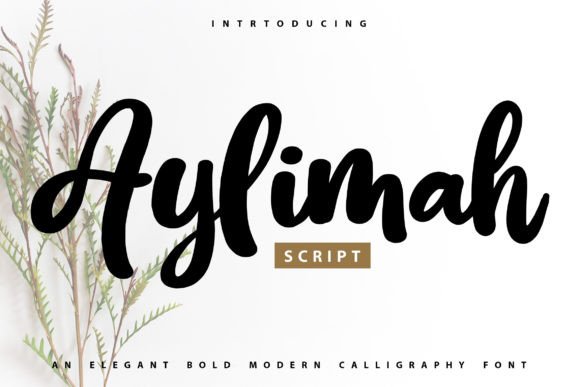
In the digital age, where pixels and vectors dominate our visual landscape, there remains an enduring desire for authenticity. We crave the warmth of a handwritten note, the personal touch of a signature, and the artistic flair of traditional calligraphy. However, integrating these organic elements into modern digital design has historically been a technical hurdle. Enter Aylimah, a bold and gorgeous calligraphy script font that bridges the gap between classic elegance and contemporary convenience.
Whether you are designing a wedding invitation, crafting a logo for a boutique brand, or simply creating a heartfelt thank-you card, Aylimah offers a solution that is as functional as it is beautiful. This article explores what makes this typeface unique, how its PUA encoding revolutionizes usability, and why it should be your go-to tool for adding a handwritten touch to any project.
The Power of Handwritten Typography in Modern Design
Before diving into the specifics of Aylimah, it is essential to understand why handwritten fonts have become so prevalent in graphic design. In a world saturated with clean, geometric sans-serifs and rigid grids, script fonts provide contrast. They introduce movement, emotion, and personality into a composition.
Handwritten typography is not just about aesthetics; it is about connection. When a viewer sees a font that mimics the stroke of a pen or brush, their brain registers a sense of human effort and care. This psychological effect is particularly potent in industries like hospitality, fashion, and events, where the customer experience is paramount. By using a font like Aylimah, designers can instantly elevate a project from "corporate" to "curated."
Where Aylimah Shines
Aylimah is versatile enough to adapt to various contexts while maintaining its distinct character. Here are some of the most impactful ways designers are utilizing this bold script:
- Wedding Invitations: Weddings are steeped in tradition and romance. Aylimah’s flowing lines mimic the ink on parchment, creating an immediate sense of luxury and intimacy without looking overly ornate or difficult to read.
- Thank You Cards & Greeting Cards: These items rely heavily on emotional resonance. The slight imperfections and natural flow of a script font make digital messages feel more personal, bridging the gap between physical mail and email.
- Logos & Branding: For businesses aiming to project creativity and approachability—such as bakeries, salons, or art studios—a script logo stands out. Aylimah provides the weight and presence needed for a logo to remain legible even at smaller sizes.
- Social Media Quotes: In the fast-scrolling world of Instagram and Pinterest, bold typography grabs attention. Aylimah’s strong strokes ensure that inspirational quotes pop against busy backgrounds.
Technical Mastery: Understanding PUA Encoding
One of the most significant advantages of Aylimah over many other script fonts lies in its technical foundation. To truly appreciate the utility of this font, one must understand what PUA (Private Use Area) encoding means for the end-user.
What is PUA Encoding?
Standard fonts often struggle with complex ligatures—the special characters that connect letters seamlessly in cursive writing. In many typefaces, achieving a perfect connection requires manual kerning (adjusting the space between individual characters) or using specific OpenType features that may not be supported by all software. This can be frustrating for beginners and time-consuming for professionals.
Aylimah utilizes PUA encoding, which assigns specific glyphs and ligatures to private code points within the font file. What does this mean in practice? It means that accessing all the glyphs and ligatures is incredibly easy. Instead of hunting through complex menus or relying on automatic substitutions that might fail, users can access the precise variations they need directly. This ensures that every connection looks intentional and polished, regardless of the design software being used.
Why Ease of Access Matters
For the general reader or the aspiring designer, complexity is the enemy of creativity. If a font requires extensive troubleshooting to look good, it becomes a barrier rather than a tool. Aylimah removes this friction. By simplifying the technical aspect of using a script font, it allows the designer to focus entirely on the creative vision. Whether you are placing text on a business card or scaling it up for a banner, the ligatures hold together beautifully, saving hours of adjustment time.
Designing with Confidence: Best Practices for Using Aylimah
While Aylimah is robust and forgiving, like any design element, it works best when used correctly. Here are some practical tips to help you get the most out of this bold script.
1. Balance Boldness with Whitespace
Because Aylimah is described as a bold script, it carries visual weight. It demands attention. When using it for headlines or large text, ensure you give it room to breathe. Crowded layouts can make the intricate details of the calligraphy disappear. Use ample whitespace around the text to let the curves and loops of the letters shine.
2. Pairing with Complementary Fonts
A common mistake is pairing a heavy script with another decorative font. To maintain clarity, pair Aylimah with simple, neutral typefaces. A clean sans-serif or a classic serif works perfectly alongside it. For example, use Aylimah for the main name or title on a wedding invite, and a simple sans-serif for the date, location, and RSVP details. This hierarchy guides the eye and ensures readability.
3. Color and Texture Considerations
The "gorgeous" nature of Aylimah is enhanced by thoughtful color choices. While black on white is timeless, consider using deep navy, charcoal, or even metallic gold foil effects if you are printing. The bold strokes of the font respond well to texture, making it ideal for embossed or debossed printing techniques that add a tactile dimension to your designs.
Common Misconceptions About Script Fonts
There are several myths surrounding the use of calligraphy scripts in professional design. Let’s clarify a few to help you use Aylimah with confidence.
- "Script fonts are hard to read." This is only true if the font is too thin or overly ornate. Aylimah is designed with bold strokes that prioritize legibility. As long as you do not stretch the text excessively or place it on a cluttered background, it remains highly readable.
- "You need expert software to use them." Thanks to PUA encoding, Aylimah is user-friendly. You do not need advanced knowledge of typography software to achieve professional results. The ligatures handle the complex connections automatically.
- "It’s only for weddings." While popular in the wedding industry, Aylimah is equally effective in corporate branding, product packaging, and educational materials. Its versatility makes it a staple for any designer’s toolkit.
Conclusion: Elevate Your Designs with Aylimah
In conclusion, Aylimah is more than just a font; it is a tool for emotional expression in design. Its combination of bold, gorgeous aesthetics and user-friendly PUA encoding makes it an invaluable asset for anyone looking to add a handwritten touch to their work. From wedding invitations that set the tone for a special day to business cards that leave a lasting impression, Aylimah delivers sophistication without sacrifice.
By understanding the power of handwritten typography and leveraging the technical ease of Aylimah, you can create designs that resonate on a deeper level. Whether you are a seasoned graphic designer or a beginner exploring the world of print and digital media, this font offers the perfect blend of artistry and accessibility. Embrace the elegance of Aylimah and watch your projects transform.