Umbrella: Elevating Design with Handmade Elegance
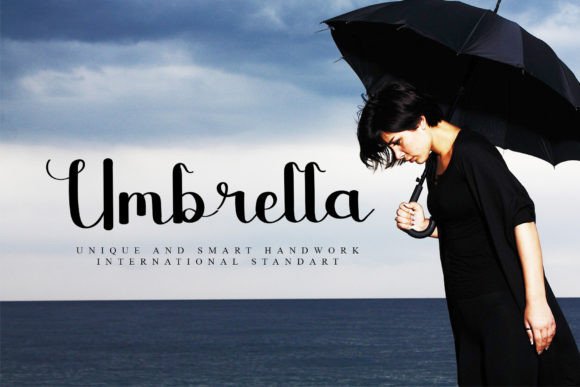
In the crowded landscape of digital and print media, standing out requires more than just striking visuals; it demands a distinct typographic voice. When designers seek to infuse their projects with warmth, authenticity, and a touch of organic sophistication, Umbrella emerges as a compelling solution. This unique font bridges the gap between professional polish and personal charm, offering a handwritten aesthetic that feels both intentional and natural. For creators navigating the complexities of modern visual communication, understanding how to leverage such specialized typefaces can transform ordinary layouts into memorable experiences.
The Art of Natural Typography in Modern Branding
Typography is often described as the clothing of design—it sets the tone before a single word is read. While sans-serif and serif fonts provide structure and clarity, script and handwritten fonts like Umbrella add personality and emotion. The key challenge with handwritten styles has always been consistency and readability. However, Umbrella addresses these concerns by featuring a varied baseline that mimics the subtle irregularities of human handwriting. This creates a dynamic flow that guides the eye naturally across the page, preventing the rigid, mechanical feel that often plagues lesser script fonts.
This natural, hand-made touch is particularly effective in branding where trust and connection are paramount. A brand identity built on Umbrella communicates approachability and care. It suggests that there are real people behind the product or service, fostering an emotional connection with the audience. Whether you are designing a luxury wedding invitation or a startup’s logo, the font’s elegant curves and fluid lines contribute to a premium presentation without sacrificing legibility.
Key Features Enhancing Creative Workflow
From a technical standpoint, Umbrella is designed to integrate seamlessly into professional design workflows. Its PUA (Private Use Area) encoding is a significant advantage for graphic designers. This encoding method allows for easy access to all glyphs, swashes, and alternate characters directly within standard design software. Instead of wrestling with complex ligature settings or searching through endless character maps, designers can quickly apply decorative elements that enhance the visual hierarchy of their work.
- Varied Baseline: Creates a rhythmic, organic flow that feels authentic rather than artificial.
- PUA Encoding: Ensures compatibility and ease of use across various design platforms, from Adobe Illustrator to Canva.
- Elegant Swashes: Adds flair to headlines and logos, providing opportunities for custom visual storytelling.
- High Legibility: Maintains readability even at smaller sizes, making it versatile for both display and body text applications.
Practical Applications Across Design Disciplines
The versatility of Umbrella makes it suitable for a wide array of creative projects. In the realm of branding and logo design, it serves as an excellent choice for businesses aiming for a boutique, artisanal, or high-end lifestyle image. Its elegance pairs beautifully with minimalist layouts, allowing the typography to take center stage while negative space enhances its impact.
For marketing materials and advertising campaigns, Umbrella can elevate simple messages into engaging narratives. Imagine a billboard campaign for a bridal shop or a greeting card line; the font’s inherent warmth invites interaction and encourages emotional engagement. In social media graphics, where attention spans are short, the distinctive look of Umbrella helps content stand out in crowded feeds, drawing users in with its artistic appeal.
Furthermore, this font excels in editorial design and packaging design. On product labels, it conveys quality and craftsmanship, suggesting that the contents are carefully curated. In web design and UI contexts, it can be used strategically for headings or call-to-action buttons to add a unique character to an otherwise standard interface, enhancing the overall user experience (UX) by creating moments of delight.
Best Practices for Implementation
To maximize the effectiveness of Umbrella, designers should consider context and contrast. Because the font has a strong visual presence, it works best when paired with clean, neutral typefaces for body copy. This combination ensures that the primary message remains clear while the headline provides aesthetic appeal. Additionally, attention to color palette is crucial. Soft pastels, earth tones, or monochromatic schemes often complement Umbrella’s organic nature, whereas neon colors might clash with its elegant vibe.
Scalability is another factor to keep in mind. Test the font at various sizes to ensure that the details remain crisp and readable. When used in large formats, such as billboards or banners, the intricate swashes become focal points, requiring careful spacing and composition to avoid visual clutter. By respecting the font’s characteristics and integrating it thoughtfully into the broader design system, creators can achieve a polished result that resonates with their target audience.
Ultimately, the choice of typography is a powerful tool in shaping perception. Fonts like Umbrella offer more than just letters; they offer a mood, a style, and a way to connect with viewers on a deeper level. By selecting high-quality creative assets that align with your design goals, you not only enhance the aesthetic value of your projects but also strengthen the clarity and impact of your communication. In a world saturated with generic templates, investing in unique, well-crafted design elements ensures that your brand remains distinctive, professional, and unforgettable.