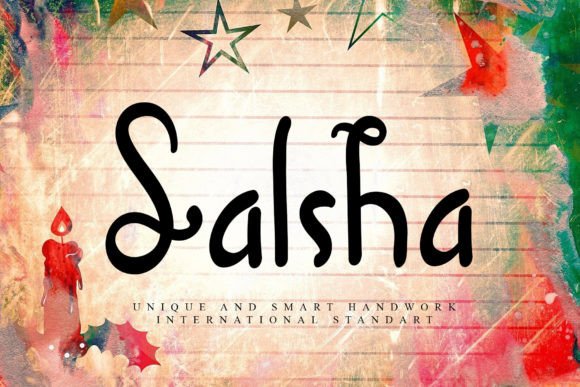
Salsha Font: Elevate Designs with Handwritten Elegance
In the world of visual communication, few elements capture attention quite like typography that feels personal. We live in an era where digital screens dominate our daily interactions, yet there is a persistent craving for authenticity and human connection. This is where Salsha steps in as a powerful tool for designers, entrepreneurs, and creatives who want to bridge the gap between modern professionalism and warm, organic charm. Salsha is not just another typeface; it is a unique and elegant font designed to bring a natural, hand-made touch to any project.
Whether you are crafting a wedding invitation suite, designing a logo for a boutique brand, or creating content for social media, the right font can make or break the emotional impact of your message. Salsha offers a sophisticated solution for anyone looking to add depth, character, and realism to their visual ideas. By understanding its specific features and ideal use cases, you can leverage this PUA-encoded masterpiece to create spectacular creations that resonate deeply with your audience.
What Makes Salsha Unique?
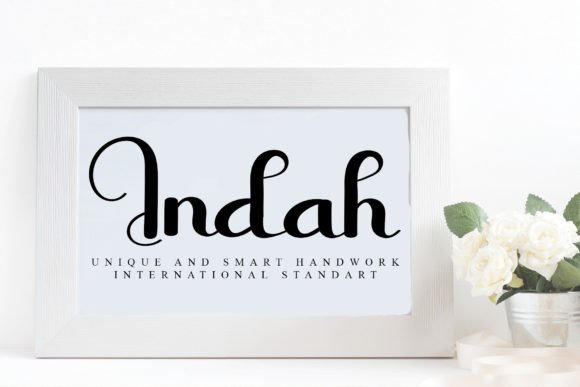
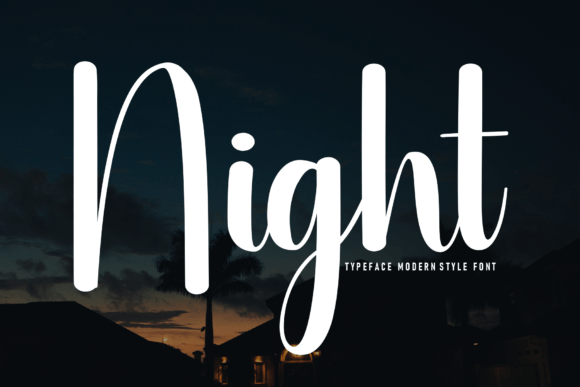
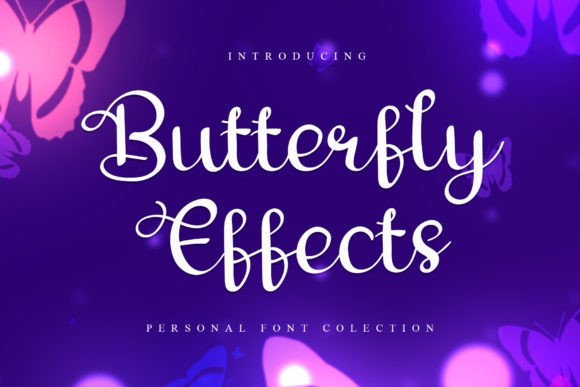
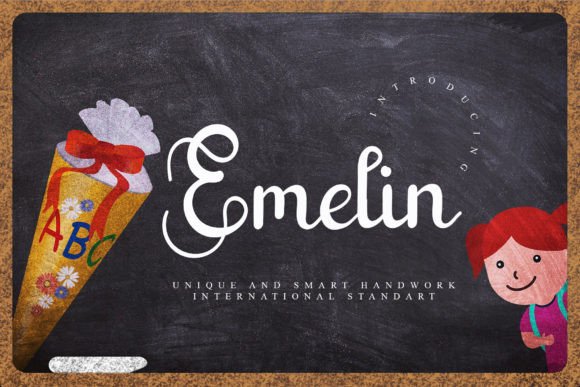
At first glance, Salsha might appear to be a standard script font, but a closer look reveals why it stands out in a crowded market. Its defining characteristic is its varied baseline. Unlike rigid, mechanical fonts that sit on a straight line, Salsha mimics the subtle ups and downs of natural handwriting. This feature creates a dynamic rhythm that guides the eye smoothly across the text, making it feel alive rather than static.
This varied baseline is created with a natural, hand-made touch. The strokes vary in thickness and angle, replicating the pressure and movement of a real pen or brush. This imperfection is intentional and highly valued in design because it breaks the monotony of digital perfection. When you use Salsha, you are not just placing text on a page; you are injecting personality into your design. It makes your ideas look more real, fostering a sense of trust and intimacy with the viewer. For brands aiming to appear approachable yet high-end, this balance is crucial.
The Power of PUA Encoding
One of the most practical advantages of using Salsha is its technical foundation. The font is PUA encoded, which stands for Private Use Area encoding. In simpler terms, this means that all the special glyphs, decorative swashes, and alternative characters are mapped to unused Unicode spaces. Why does this matter to you?
For beginners and casual users, PUA encoding ensures stability. You do not need to worry about your design breaking when moved from one software to another, or about missing characters appearing as empty boxes. More importantly, it allows you to access all glyphs and swashes with ease. If you are designing a logo or a title, you can swap out standard letters for more ornate versions without needing complex plugin setups or external libraries. This accessibility empowers creators to experiment freely, adding those final touches of elegance that elevate a good design to a great one.
Ideal Use Cases for Salsha
Salsha is versatile, but it shines brightest in contexts where emotion and aesthetics are paramount. Here are some of the most effective ways to incorporate this font into your projects:
- Wedding Invitations and Stationery: Weddings are all about personal stories and romantic elegance. Salsha’s handwritten style perfectly captures the sentimentality of the occasion. Use it for the couple’s names on save-the-dates, the main invitation text, or even for table numbers to create a cohesive, luxurious theme.
- Greeting Cards: Whether for birthdays, holidays, or thank-you notes, Salsha adds a personal flair that printed serif fonts cannot match. It feels like a letter written by a friend, which increases the likelihood of the recipient cherishing the card.
- Logos and Brand Identity: For small businesses, cafes, bakeries, or artisanal product lines, a logo needs to stand out. Salsha can serve as the primary logotype, conveying craftsmanship and care. Its varied baseline prevents the logo from looking too corporate or cold.
- Business Cards: In a stack of sleek, minimalist business cards, one with a handwritten accent draws immediate attention. Use Salsha for your name or tagline to leave a memorable impression.
- Billboards and Large Format Prints: While scripts are often avoided for large signage due to readability concerns, Salsha’s elegant structure remains legible even at scale if used correctly. It can turn a billboard into a piece of art, grabbing attention through its unique aesthetic rather than just bold size.
Who Should Consider Using Salsha?
You do not need to be a professional graphic designer to appreciate or utilize Salsha effectively. Its user-friendly nature makes it suitable for a wide range of individuals:
- Beginners and Hobbyists: If you are just starting your journey into Canva, Photoshop, or Illustrator, Salsha reduces the learning curve. Because it is PUA encoded, you get professional results without needing advanced typographic skills.
- Freelancers and Creatives: For freelancers offering branding packages, Salsha provides a premium asset that clients love. It helps deliver high-value designs that feel custom-made.
- Entrepreneurs and Small Business Owners: When you are bootstrapping your startup, you might not have a budget for extensive custom illustration. Salsha acts as a cost-effective alternative to hiring a calligrapher, giving your brand a bespoke look.
- Educators and Bloggers: To make educational materials or blog headers more engaging, Salsha can highlight key concepts or titles, making content more inviting to read.
Practical Tips for Best Results
While Salsha is incredibly versatile, keeping a few design principles in mind will help you avoid common pitfalls:
Pairing is Key: Because Salsha has a strong personality, it works best when paired with a simple, neutral sans-serif or serif font. Let Salsha be the star for headlines or short phrases, and use a clean font for body text to ensure readability. Avoid pairing it with other busy scripts, as this can create visual clutter.
Use Sparingly: Handwritten fonts are impactful, but they can become difficult to read if overused. Reserve Salsha for titles, quotes, logos, and short statements. Using it for long paragraphs of text may fatigue the reader’s eyes due to the varied baseline and irregular shapes.
Consider Color and Background: The elegance of Salsha is enhanced by thoughtful color choices. Soft pastels, deep blacks, or metallic golds work beautifully against clean white or textured paper backgrounds. Ensure there is sufficient contrast so the intricate details of the font remain visible.
Why Salsha Adds Value to Your Projects
Ultimately, the value of Salsha lies in its ability to humanize digital content. In a marketplace saturated with generic templates and AI-generated imagery, a font with a hand-made touch signals effort, care, and authenticity. It tells your audience that you have put thought into every detail. Whether you are selling a handmade product, inviting guests to a special event, or building a brand identity, Salsha helps you communicate that you are real, approachable, and dedicated to quality.
By choosing Salsha, you are investing in a design element that transcends trends. While colors and layouts may change, the appeal of genuine, artistic expression remains constant. Take advantage of its PUA encoding to explore different swashes and styles, and watch as your ideas transform from simple concepts into spectacular, tangible creations. Start experimenting with Salsha today, and give your designs the elegant, handwritten soul they deserve.